Interest Free Battery Loans

Government Interest-Free Loans
Eligible households may be able to access up to $15,000 in government-backed interest-free finance.

Existing Govt. Battery Rebates
Battery rebates continue to reduce the upfront cost of installing battery storage.

Better Value From Your Solar
If you already have solar panels, adding a battery can help you use more of the energy you generate instead of buying it back from the grid.
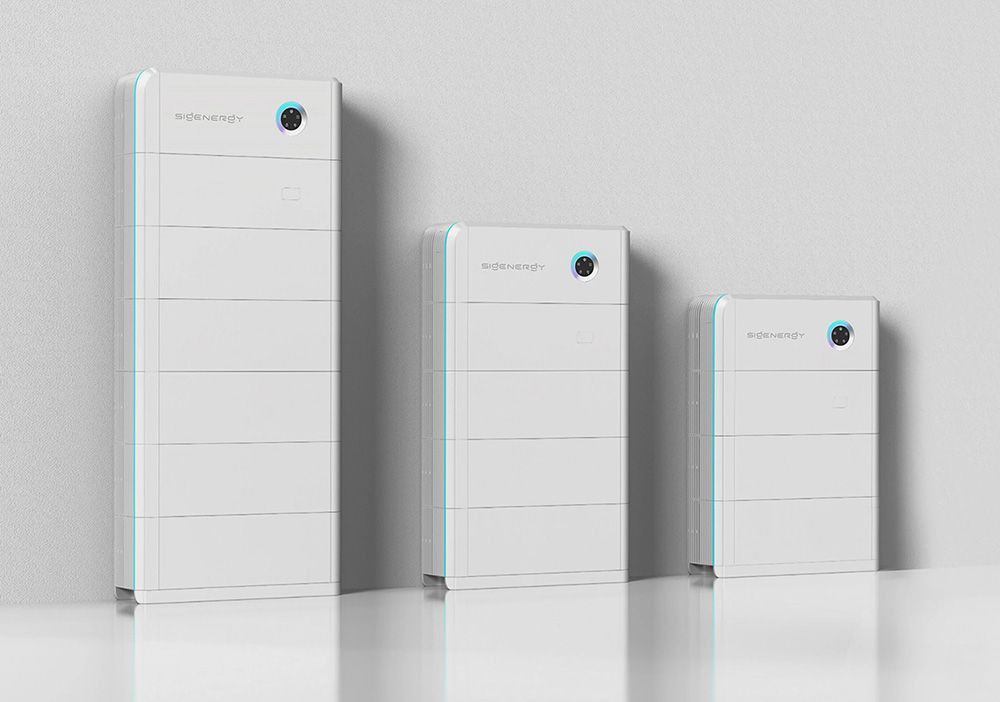
Is a battery right for every home?
Not every home will benefit from a battery.
That's why we assess your electricity usage, solar production and future plans before making a recommendation.
If a battery isn't likely to deliver value, we'll tell you.
But... you shouldn't count yourself out just because you have a small existing solar system, or your roof space isn't very big. With the new free midday power (since July 1st 2026) you can now get great returns from a right-sized battery.
Find Out Whether a Battery Now Makes Sense for Your Home
Homeowners in NSW can access government incentives that help reduce the cost of installing an eligible solar battery. Depending on your circumstances, you may also be eligible for a government-backed interest-free loan to help finance your battery installation. These incentives can significantly reduce the upfront cost of adding battery storage to your home.
The NSW Government's interest-free battery loan allows eligible households to finance up to $15,000 towards approved clean energy upgrades, including solar battery systems. The loan is administered through approved finance providers, with the government covering the interest costs for eligible applicants.
Eligibility is based on several criteria, including household income and the requirements of the participating finance provider. At the time of writing, the combined household income threshold is $210,000 per year. Our team can explain the current eligibility requirements and guide you through the application process.
Yes. In many cases, eligible homeowners can access both the available battery rebate and the government interest-free loan, reducing both the upfront cost and the ongoing repayments. We'll explain which incentives apply to your situation when preparing your proposal.
Not necessarily. If you already have solar panels installed, you may be able to add a battery to your existing system. We'll assess whether your current solar system is suitable or whether any upgrades would improve your battery's performance.
For many homeowners, yes. A battery allows you to store excess solar energy generated during the day and use it during the evening when electricity prices are typically higher. Every home is different, so we'll assess your electricity usage, existing solar system and future energy needs before recommending a battery.
Additionally, the Australian Government’s Solar Sharer Offer is a regulated energy plan requiring retailers to provide eligible households with at least three hours of free electricity every day. The zero-cost window applies from 11:00 am to 2:00 pm, capped at 24kWh daily. This free power can be used to charge up a battery, so now it makes more sense than ever for homes to take advantage of battery storage.
For many households, yes. Government incentives, interest-free finance and changes to the electricity market have improved the value proposition of battery storage. If you looked into batteries previously but decided against one, it's worth reviewing your options again as the economics may have changed.
The right battery size depends on your electricity usage, the size of your solar system and what you want to achieve. Some households simply want to reduce their evening electricity bills, while others want backup power or enough stored energy to charge an electric vehicle. We'll recommend a battery that's appropriately sized for your home rather than simply installing the largest system available.
In many cases, yes. New government initiatives and evolving battery technology mean that homes with smaller solar systems may still benefit from battery storage. The best way to know is to have your current system assessed by our team.
A battery can significantly reduce your reliance on grid electricity, but whether it eliminates your electricity bill depends on your energy usage, solar production, battery size and electricity retailer. We'll provide realistic expectations based on your home's energy profile.
Many modern battery systems can provide backup power during a blackout when configured with backup capability. The amount of your home that can be powered depends on the battery size and the circuits you choose to back up.
Yes. Many battery systems can help charge an electric vehicle, particularly when combined with a suitably sized solar system. If charging your EV is one of your goals, we'll design a system that matches your driving habits and energy requirements.
Most quality solar batteries are designed to last between 10 and 15 years, with many manufacturers offering warranties of around 10 years. The actual lifespan depends on the battery chemistry, usage patterns and operating conditions.
Government incentive programs are subject to available funding and may change over time. If you're considering a battery, it's worth investigating your options sooner rather than later to determine which incentives are currently available.
Shoalhaven Solar is a locally owned and operated solar specialist serving the Shoalhaven and South Coast. We believe in providing honest advice based on your individual circumstances. If a battery is likely to deliver value for your home, we'll recommend the right solution. If it isn't, we'll tell you that too. Our focus is on helping you make an informed long-term investment in your energy future.

Why Shoalhaven Solar?
Local family-owned business
Honest advice
Accredited installers
Premium battery brands
No pressure recommendations
Ongoing local support


Start saving today. Get your solar installed by Shoalhaven Solar.
